 blog
Are Low Sugar Energy Drinks for Professionals Worth It?
Last Updated: November 4, 2026
Quick Summary
Low sugar energy drinks for professionals are worth it when added sugars stay in the single digits per serving and caffeine fits your tolerance and schedule. Check serving size, added sugars, sweetener type, and caffeine on the label before committing to a daily option.
- There is no single legal definition of low sugar on a can in the United States, so the label is your most reliable guide.
- Ingredients are listed by weight, so a sweetener near the top means there is a lot of it.
- A can may hold two or more servings, so multiply before you judge the sugar number.
- Compare added sugars, caffeine per serving, sweetener type, serving size, calories, then price, in that order.
- Front-load caffeine earlier in the day and switch to a lower-caffeine option after lunch to protect sleep.
Table of Contents
- Why Professionals Are Rethinking Full-Sugar Energy Drinks
- What Counts as a Low Sugar Energy Drink?
- Low Sugar Energy Drinks Compared: What to Look For
- Caffeine Content in Loaded Teas: What to Expect
- Loaded Tea Benefits for Focus During the Workday
- Sweetener Trade-Offs and Caffeine Sensitivity
- Choosing a Workplace-Friendly Energy Option
- Ordering Low Sugar Drinks for Your Office
- Ready to Make the Office Run Easier?
- Frequently Asked Questions
Why Professionals Are Rethinking Full-Sugar Energy Drinks
The 3 p.m. slump is common. Sugar-heavy drinks can cause a rush followed by a drop in energy.
At Vitality Nutrition LLC, Bristol office teams often ask whether a drink can offer energy without a sugar crash. It depends on what is in the drink.
If the afternoon slump is your specific problem, our guide on how to avoid a mid-day sugar crash at work covers the practical fixes beyond your drink order.
What Counts as a Low Sugar Energy Drink?
A low sugar energy drink is generally a caffeinated beverage with relatively little added sugar. There is no single legal definition of "low sugar" on a can in the United States, so the label is your most reliable guide.
"Sugar-free," "zero sugar," and "no added sugar" are three different claims, and none of them automatically makes a drink a good choice for a workday.
Reading the Nutrition Facts and Ingredient Label
Start with three lines on the panel: serving size, total sugars, and added sugars. Then flip to the ingredient list and look at where sweeteners appear in the order. Ingredients are listed by weight, so a sweetener near the top means there is a lot of it (the FDA).
- Serving size vs. can size: a can may hold two or more servings. Multiply before you judge the sugar number.
- Added sugars line: this separates sugar that occurs naturally from sugar that was put in.
- Sweetener type: sugar alcohols and artificial sweeteners can cause digestive discomfort in some people, especially on an empty stomach.
- Caffeine source: natural caffeine from tea or coffee looks different on a label than added caffeine.
If you are checking whether loaded teas specifically fit a low sugar plan, our breakdown of how to judge whether loaded teas are high in sugar walks through the same label-reading process step by step.
Low Sugar Energy Drinks Compared: What to Look For
A comparison only helps if every option is measured the same way, using the numbers printed on the label.
Use this framework for any drink you are considering, whether it is a national canned brand, a coffee-shop energy drink, or a loaded tea from a local shop. Fill in each row from the actual label or the shop's published nutrition information. If a number is not published, that is a data point too.
| Metric | Where to Find It | Why It Belongs in the Comparison |
|---|---|---|
| Added sugars (g per serving) | Nutrition Facts, "Added Sugars" line | The clearest driver of the spike-and-crash pattern |
| Total sugars (g per serving) | Nutrition Facts, "Total Sugars" line | Captures naturally occurring sugar the added-sugars line misses |
| Caffeine (mg per serving) | Nutrition Facts or ingredient list | Determines whether the drink fits your tolerance and the hour |
| Calories (per serving) | Nutrition Facts | Matters if the drink is a daily habit, not a treat |
| Sweetener type | Ingredient list | Affects taste and digestive tolerance |
| Serving size vs. can size | Nutrition Facts header | A can with two servings doubles every number above |
| Price per can or per drink | Shelf tag or menu | The number that decides whether it is sustainable as a habit |
Defining Low Sugar Before You Compare
"Low sugar" is not a regulated claim on a can in the United States the way "sugar-free" or "calorie-free" are, so two drinks marketed as low sugar can land in very different places. A practical working definition: a drink is low sugar if added sugars stay in the single digits per serving and the total sugar load does not dominate the nutrition panel. Zero sugar and no added sugar are stricter claims, and neither automatically makes a drink workplace-friendly.
Reading the Comparison Table Like an Editor
Once the table is filled in, compare in this order: added sugars, caffeine per serving, sweetener type, serving size, calories, then price. Most people compare flavor first and nutrition second. Flip that order. A drink you tolerate well at 10 a.m. beats a better-tasting one that leaves you flat by lunch.
- Serving size vs. can size: a can may hold two or more servings. Multiply before you judge the sugar number.
- Added sugars line: this separates sugar that occurs naturally from sugar that was put in.
- Sweetener type: sugar alcohols and artificial sweeteners can cause digestive discomfort in some people, especially on an empty stomach.
- Caffeine source: natural caffeine from tea or coffee looks different on a label than added caffeine.
Caffeine, Sweeteners, Calories and Serving Size Side by Side
The comparison that matters is between what you drink now and what you are considering. Write down the added sugars, caffeine per serving, and serving size of your current drink.
Caffeine tolerance varies widely between people. Check the FDA guidance on caffeine and how much is too much before you stack a morning coffee on top of an afternoon energy drink.
Caffeine Content in Loaded Teas: What to Expect
Caffeine content in loaded teas can vary from one recipe to the next. Two drinks that look identical can contain different amounts of caffeine. That is not a reason to avoid them.
Ask the shop what is in the build, whether a caffeine-free version is possible, and how the drink compares to a cup of coffee.
For a fuller walkthrough of what goes into these drinks and how the caffeine stacks up, read our complete guide to caffeine content in loaded tea drinks.
Loaded Tea Benefits for Focus During the Workday
A loaded tea can fit into a workday routine as a drink that replaces a higher-sugar alternative.
Many people find caffeine helps with alertness during the day. What it does not do is replace sleep.
Watch out: stacking a loaded tea on top of two coffees and a pre-workout is how people end up jittery and unable to focus at all. Track your total caffeine across the day, not per drink.
Sweetener Trade-Offs and Caffeine Sensitivity
Two people can drink the same can and have completely different afternoons. Sweetener tolerance and caffeine sensitivity are the two variables most drink comparisons ignore, and they matter more than flavor.
On sweeteners, the trade-off is real. None of these is universally "better." The right sweetener is the one your body tolerates and your palate accepts.
On caffeine, sensitivity shows up as jitters, a racing heart, disrupted sleep, or anxiety. If you notice any of those, the fix is smaller servings or earlier timing, not a different brand.
Choosing a Workplace-Friendly Energy Option
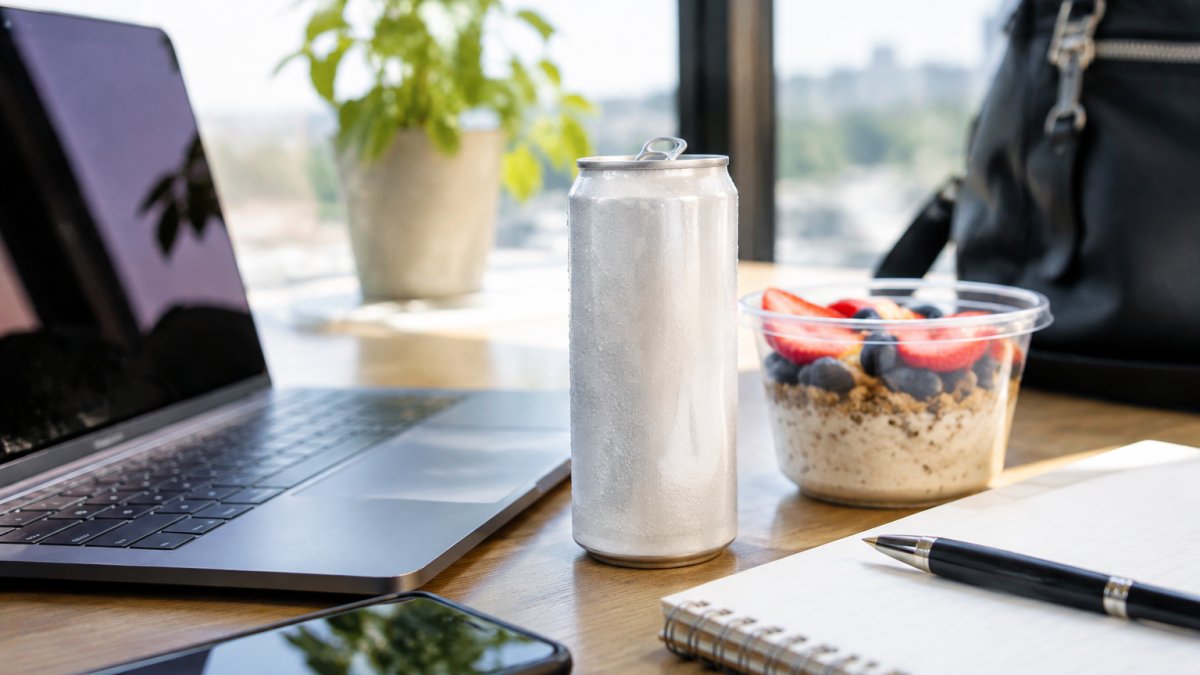
A workplace-friendly drink has to clear a higher bar than a gym drink. It needs to fit a desk, a meeting schedule, and a group order without becoming a hassle.

The Workplace Selection Criteria Competitors Skip
Assess any candidate against these seven criteria before you commit to a daily option.
- Can or cup size: a smaller serving is easier to finish before a meeting and easier to moderate across the day. A large can that takes two hours to finish often means caffeine is still arriving at 5 p.m.
- Carbonation: carbonated drinks are harder to sip slowly at a desk and more noticeable in a quiet room. Still or lightly carbonated options tend to fit long work sessions better.
- Portability: a sealed can travels in a bag; an open cup does not. If you move between floors, desks, or buildings, sealed packaging matters.
- Odor and visibility: strong-smelling or brightly colored drinks draw attention in shared spaces.
- Availability and reorder ease: the best drink is the one you can reliably get on a Tuesday. Check whether it is available for pickup or delivery before you build a habit around it.
- Suitability for long sessions: a drink you sip over two hours behaves differently from one you finish in ten minutes.
- Budget as a recurring habit: a drink that is fine as a treat can become expensive as a daily purchase.
Matching the Drink to the Workday
Different parts of the workday call for different choices. A common pattern is to front-load caffeine earlier in the day and switch to a lower-caffeine or caffeine-free option after lunch, which protects sleep without giving up the routine.
Watch out: stacking a loaded tea on top of two coffees and a pre-workout is how people end up jittery and unable to focus at all. Track your total caffeine across the day, not per drink.
A Practical Checklist Before You Commit
Use this checklist before you commit to a daily option:
- Added sugars are low enough that you are comfortable drinking it most weekdays
- Caffeine per serving fits your tolerance and your schedule
- The sweetener is one you have tried and tolerate
- The serving size matches what you will actually drink
- It is easy to reorder, either by pickup or delivery, without a long detour
- It fits your budget as a recurring habit, not just a treat
If you want alternatives to compare against what you drink now, our list of healthy energy drink alternatives for work gives you a starting point.
Ordering Low Sugar Drinks for Your Office
Group orders are where good intentions fall apart. One person wants caffeine, another wants none, a third has a sweetener they avoid, and someone always forgets to reply. Collect preferences before you order, not after.
At Vitality Nutrition LLC, you can plan the office run in advance.
If you are organizing for a team, our 7-step guide to ordering group office drinks covers how to collect orders and time the delivery around your meeting schedule.
Ready to Make the Office Run Easier?
The real test of a low sugar energy drink is whether it still works for you on a Wednesday afternoon in week three. If it does, keep it.
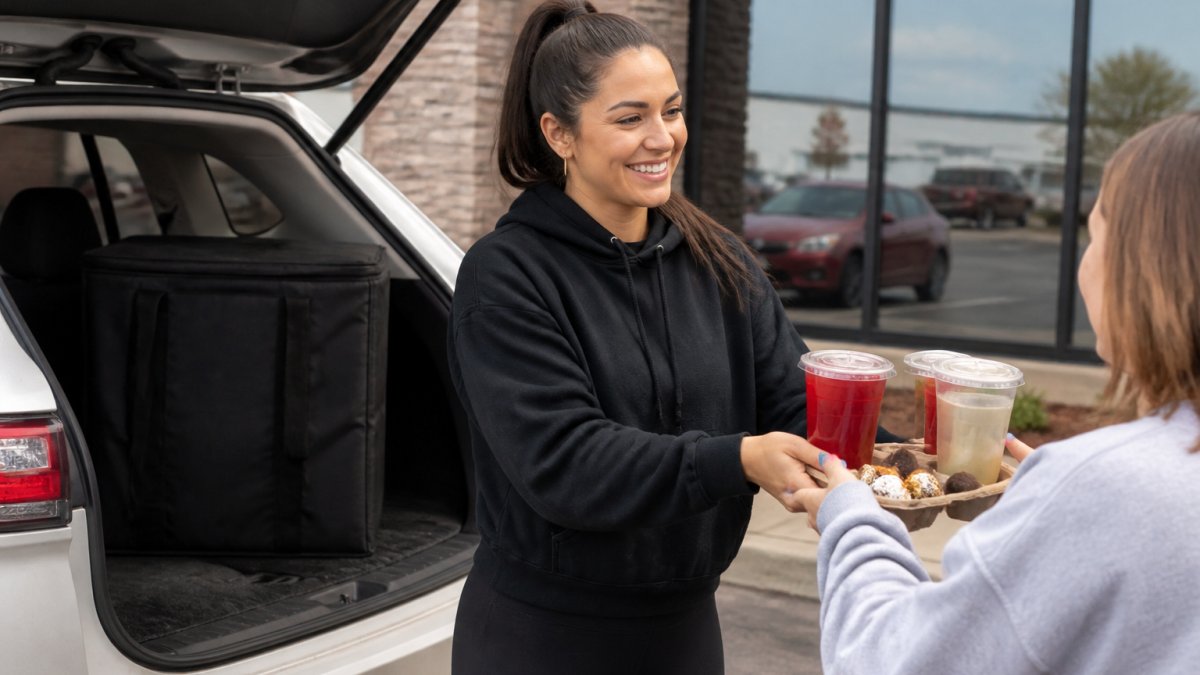
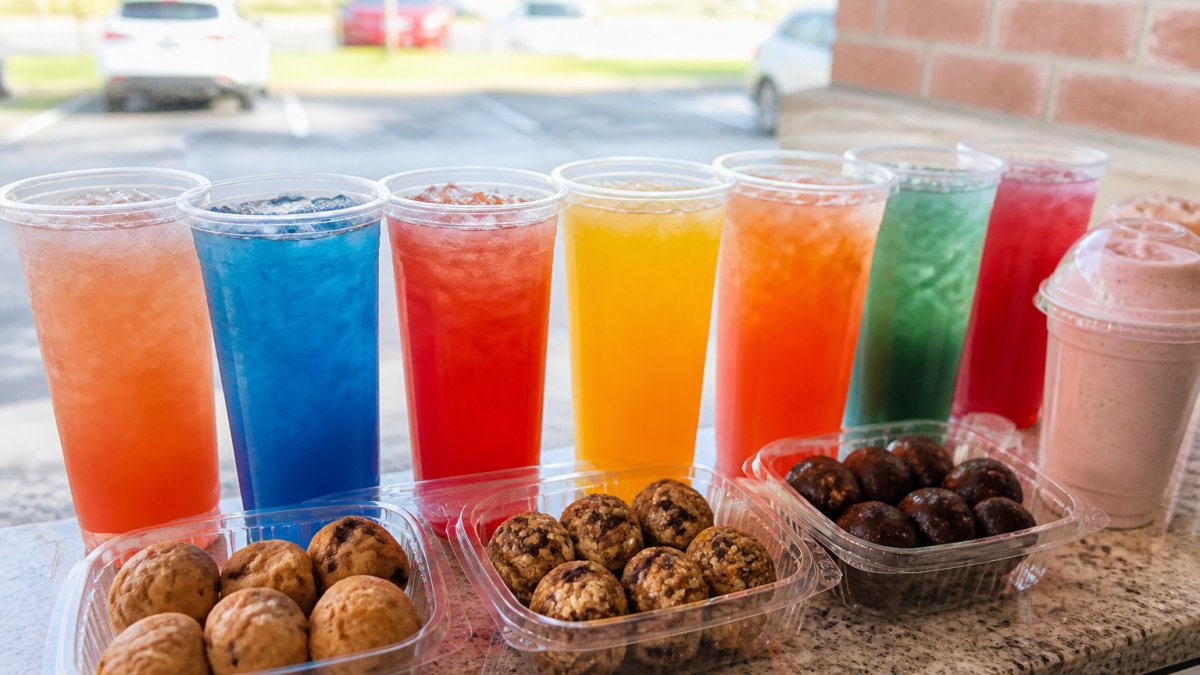
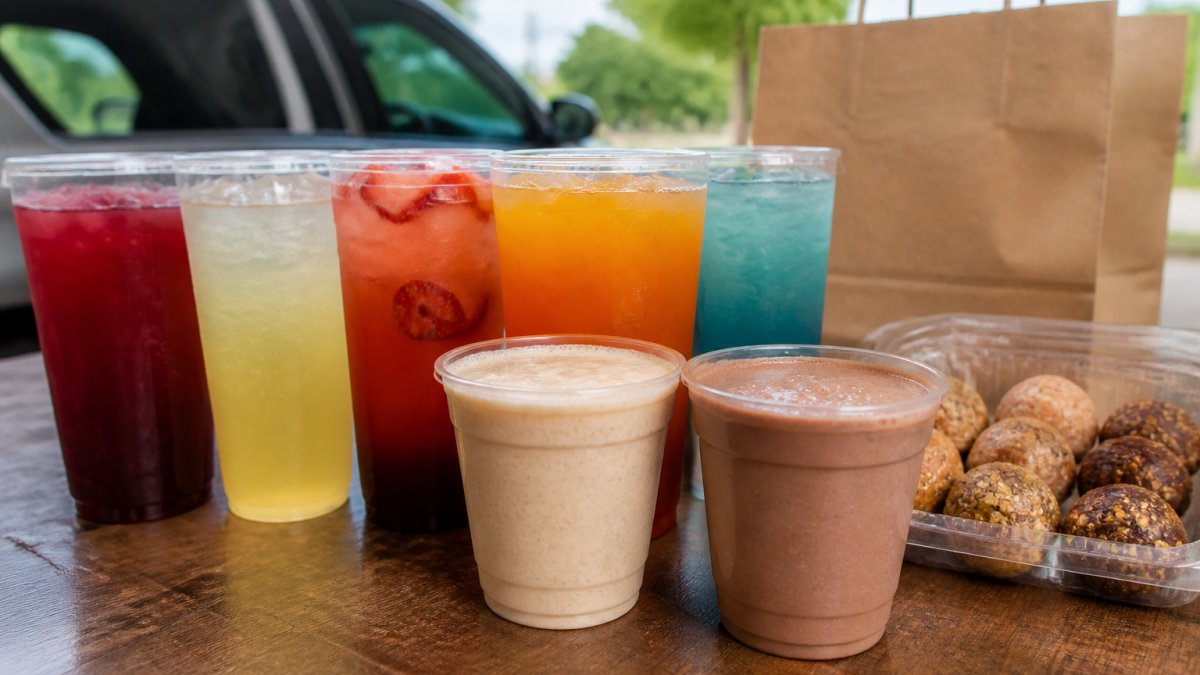
Vitality Nutrition LLC makes the daily habit simple. Order loaded teas, protein shakes, and protein balls online, pick them up free at the curb, or check whether TeaDash delivery reaches your office address up to 10 miles out.
Frequently Asked Questions
Are there low sugar energy alternatives to traditional canned drinks?
Yes. Loaded teas, iced protein coffees and protein shakes are common alternatives to canned energy drinks. The catch is that recipes vary widely, so ask for the nutrition facts and ingredient list before you commit. At Vitality Nutrition, staff can share what is in a drink so you can compare sugar, caffeine and serving size before ordering for yourself or a group.
What is the caffeine content in loaded teas?
Caffeine content in loaded teas varies by recipe, scoop size and any added energy blend, so there is no single number that applies to every drink. Ask the shop for the caffeine content per serving for the specific tea you want, and check the ingredient label for natural caffeine sources. If you are caffeine sensitive or drinking more than one, confirm the amount before ordering so you can stay within a daily caffeine limit that works for you.
How can professionals maintain energy levels without sugar crashes?
Check nutrition facts and ingredient labels so you know the sugar and caffeine you are actually getting.
Can I get low sugar energy drinks delivered to my office?
Vitality Nutrition offers TeaDash delivery to eligible addresses up to 10 miles from the shop, fulfilled by independent delivery drivers through Square. Enter your office address at checkout to confirm availability and see the courier fee before you pay. Free curbside pickup is also available if delivery does not reach you. Tips go directly to the driver, and group orders are easiest when you collect everyone's choices first.