 ultimate-guide
Caffeine Content in Loaded Tea Drinks: A Complete Guide
Table of Contents
- What Is a Loaded Tea and What Caffeine Does It Contain
- How Much Caffeine Is in a Loaded Tea
- Loaded Tea Ingredients That Contain Caffeine
- Loaded Tea Caffeine vs Coffee and Other Beverages
- Caffeine Levels Vary by Recipe, Size, and Preparation
- Loaded Tea Caffeine-Free Options and Lower-Caffeine Choices
- Understanding Your Daily Caffeine Intake and Sensitivity
- Conclusion
- Frequently Asked Questions
Last Updated: October 12, 2026
What Is a Loaded Tea and What Caffeine Does It Contain
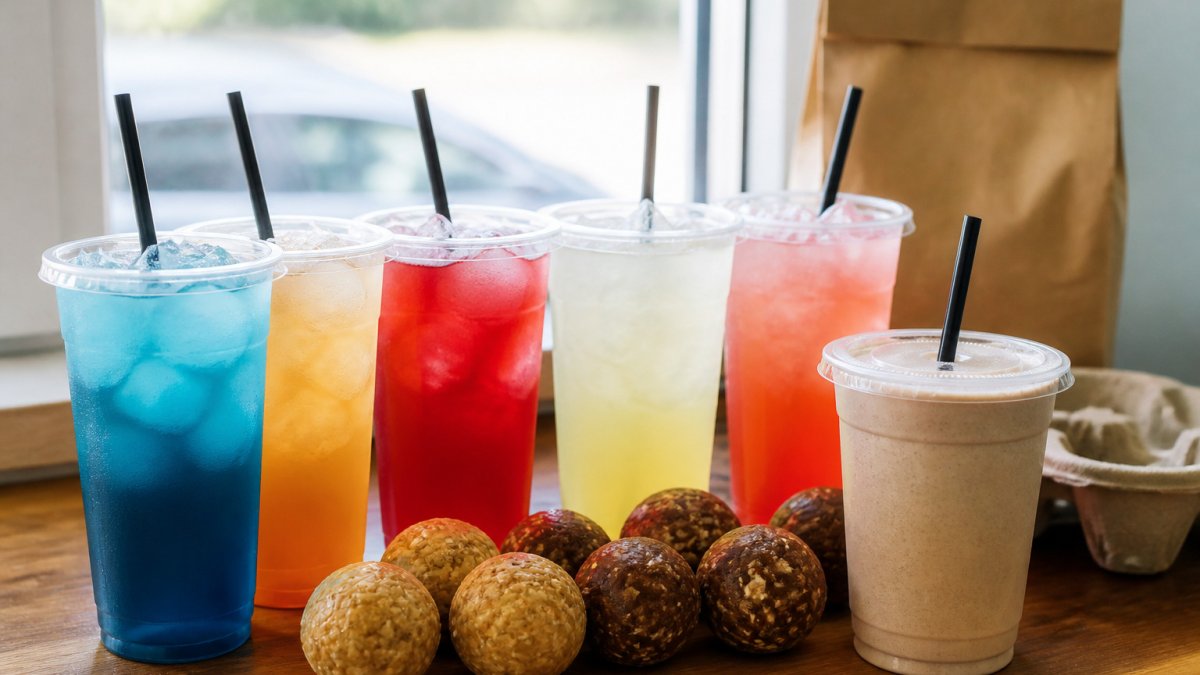
A loaded tea combines brewed tea with added ingredients like vitamins, amino acids, natural flavors, and energy-boosting compounds. At Vitality Nutrition LLC, our loaded tea drinks blend quality tea bases with carefully selected ingredients designed to support your daily energy needs.
The caffeine content in loaded tea drinks varies significantly depending on the recipe, serving size, and specific ingredients used. Most loaded teas contain caffeine from tea extracts, green tea, black tea, or other natural sources.
Understanding what's actually in your loaded tea helps you make informed choices about when and how often to enjoy one.
How Much Caffeine Is in a Loaded Tea
There is no single number for loaded tea caffeine, because a loaded tea is a recipe, not a standardized product. The same drink name can land at very different caffeine levels depending on the tea base, concentration, scoop size, and cup size. Build an estimate from the ingredients, that is far more useful than a vague range.
The caffeine sources, ranked by typical strength
Most loaded tea caffeine comes from one or more of these inputs. The list below reflects commonly reported caffeine concentrations for each ingredient type.
| Caffeine source | Typical caffeine concentration | Notes |
|---|---|---|
| Black tea (brewed, 8 oz) | ~40-70 mg | Highest of the true teas; strongest when brewed long or concentrated |
| Green tea (brewed, 8 oz) | ~25-45 mg | Lower than black tea; matcha-style green tea runs higher |
| White tea (brewed, 8 oz) | ~15-30 mg | Lightest true-tea option |
| Instant tea / tea extract powder | Varies widely by brand | Often the main driver in loaded tea; check the label for mg per scoop |
| Guarana | ~2x the caffeine of coffee bean by weight | Frequently blended with tea extract, so the doses stack |
| Yerba mate | Comparable to brewed tea per serving | Adds caffeine on top of the tea base |
| Coffee extract / espresso powder | High per small dose | Pushes a loaded tea toward coffee-level caffeine |
| Herbal teas (chamomile, hibiscus, rooibos) | Essentially 0 mg | Used for caffeine-free builds |
How to estimate your drink
Add up the caffeine from each source in the recipe, then multiply by the number of scoops or shots the shop uses. The recipe, not the category, determines the number.
Why the same drink can differ between visits
Three variables move the caffeine number even when the recipe name stays the same:
- Scoop size and leveling. A heaping scoop versus a level scoop of the same powder can shift caffeine meaningfully.
- Cup size. A 32 oz build uses more powder and more liquid than a 16 oz build of the same recipe.
- Tea base concentration. A concentrated brew or a longer steep extracts more caffeine than a quick, weak steep.
What to ask before you order
If you want a real number rather than a guess, ask:
- Which caffeine sources are in this recipe, tea base only, or tea plus guarana, yerba mate, or coffee extract?
- How many scoops or shots does the standard build use?
- Does the product label or recipe card list milligrams of caffeine per serving?
- Can the build be made with a single scoop or a lighter tea base?
If the shop cannot give you a milligram figure, treat any estimate as approximate and lean conservative, especially if you are stacking the drink with coffee, soda, or a pre-workout later in the day.
FDA guidance on caffeine and how much is too much
Loaded Tea Ingredients That Contain Caffeine
Several ingredients in loaded teas contribute caffeine content. The primary source is typically the tea base itself: black tea, green tea, or tea extract all contain natural caffeine. Black tea generally delivers more caffeine per serving than green tea, while herbal teas often contain little to no caffeine depending on their blend.
Beyond the tea base, some loaded teas include additional caffeine-containing ingredients like guarana or yerba mate. These amplify the total caffeine dose beyond what the tea alone provides. Some formulations also include coffee extract or espresso powder.
The vitamins and amino acids in loaded teas don't directly contain caffeine, but they support how your body processes and uses energy.

When reviewing loaded tea options, look at the complete ingredient list rather than caffeine amount alone.
Loaded Tea Caffeine vs Coffee and Other Beverages
Comparing loaded tea to coffee reveals differences in both caffeine amount. A typical cup of brewed coffee contains substantial caffeine, but loaded teas frequently include additional ingredients.
Coffee delivers caffeine relatively quickly. The caffeine in loaded teas, especially those with tea bases, is often absorbed more gradually.
Regular brewed tea, black, green, or white, contains less caffeine than coffee but more than many people expect. A loaded tea based on strong black tea might deliver comparable caffeine to regular tea, while one using multiple caffeine sources could exceed it.
Many commercial energy drinks contain significant caffeine amounts, sometimes exceeding what you'd find in a loaded tea, but they often rely heavily on sugar and artificial ingredients.
Caffeine Levels Vary by Recipe, Size, and Preparation
The same loaded tea shop might prepare drinks with notably different caffeine levels based on customer preference and recipe variation. A single-shot version uses less concentrated tea extract than a double-shot version, and serving size directly multiplies the caffeine amount.
Preparation method affects caffeine extraction and concentration. A loaded tea steeped longer or at higher temperatures may contain more caffeine than one prepared quickly. Some shops offer customization options that let you adjust the intensity of the tea base. If you're ordering from Vitality Nutrition LLC, asking about these variations helps you get exactly the caffeine level you want.
The specific ingredients chosen also create variation. A recipe featuring black tea extract and guarana will contain more total caffeine than one using green tea and herbs. Some loaded tea shops rotate seasonal recipes with different caffeine profiles. Understanding these variations lets you choose drinks that match your energy needs throughout the day.
Timing matters too. If you're sensitive to caffeine or trying to maintain consistent energy without sleep disruption, choosing lower-caffeine recipes later in the day makes sense.
Loaded Tea Caffeine-Free Options and Lower-Caffeine Choices
Vitality Nutrition LLC offers caffeine-free or lower-caffeine alternatives for those avoiding stimulants. These options typically use herbal tea bases like chamomile, hibiscus, or rooibos, which contain little to no natural caffeine. The supporting ingredients, vitamins, amino acids, and natural flavors, remain the same.
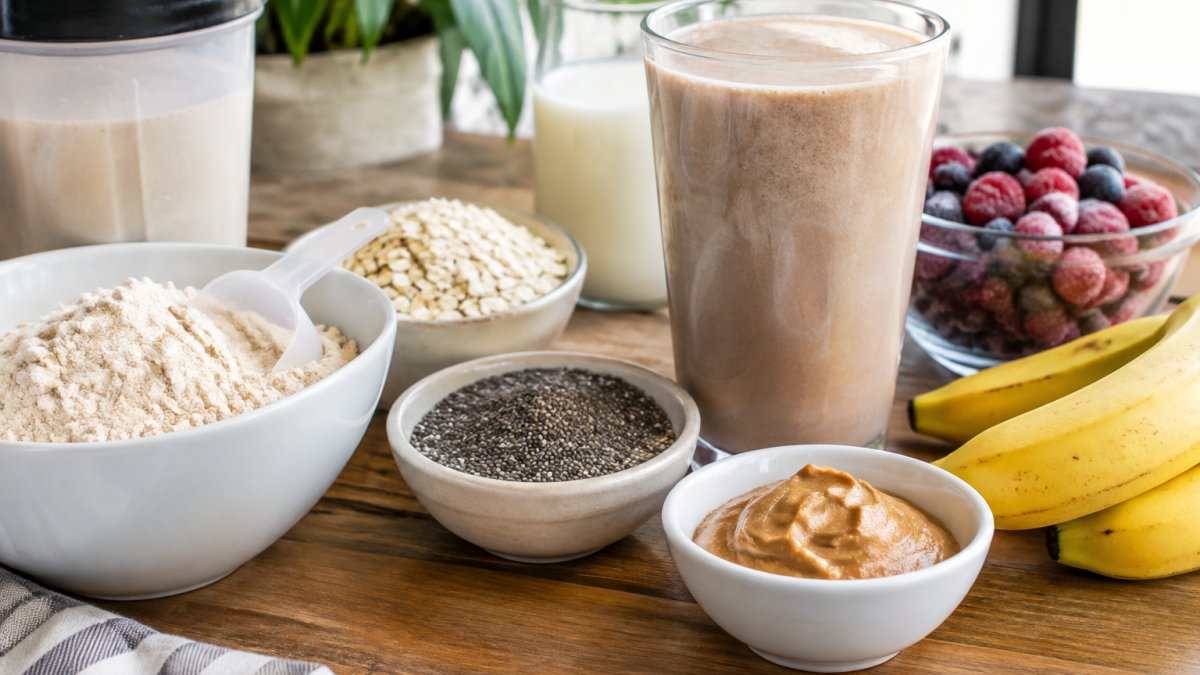
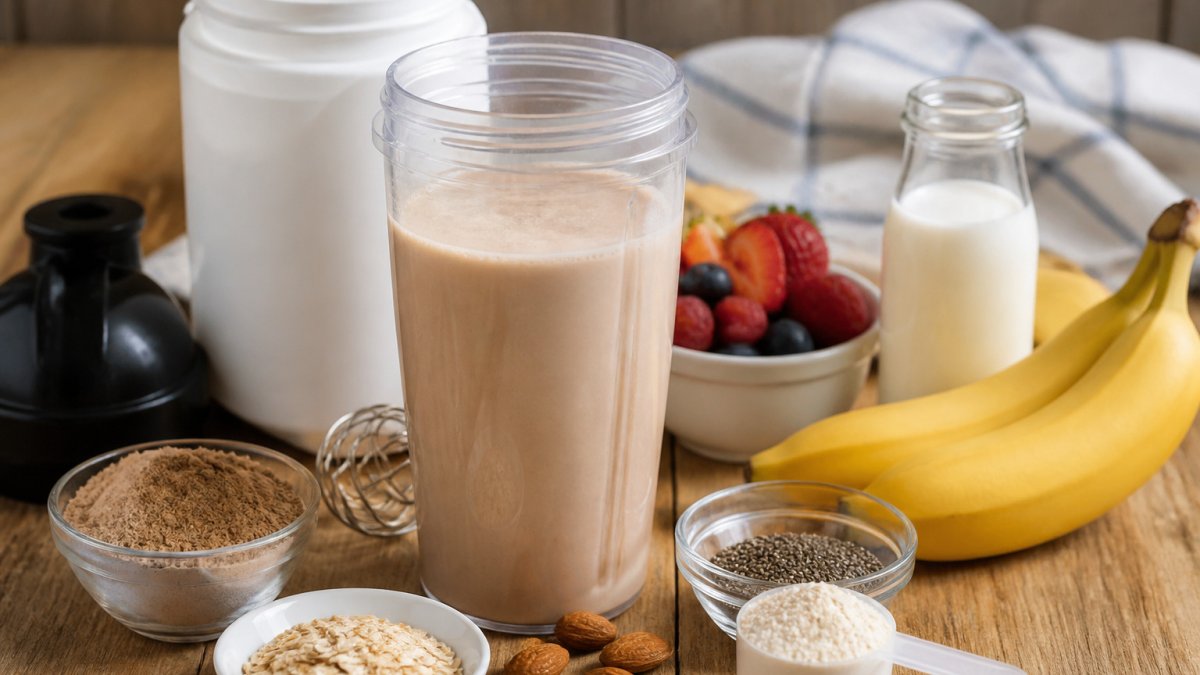
Protein shakes and protein balls from Vitality Nutrition LLC offer another caffeine-free energy option. For afternoon refreshment or post-workout recovery, these let you enjoy convenient nutrition.
The choice between caffeinated and caffeine-free loaded teas depends on your personal sensitivity, daily schedule, and energy goals.
Understanding Your Daily Caffeine Intake and Sensitivity
Most guidance on caffeine stops at a single number: 400 mg per day for healthy adults, the general threshold cited by the FDA and by dietary guidelines (the FDA). That number only helps if you know how your day adds up. A loaded tea is rarely the only caffeine source in someone's routine, and the total, not any one drink, determines whether you feel fine or jittery.
A worked example: stacking a loaded tea into a normal day
Here is a common pattern. The numbers are typical ranges, not guarantees, and your actual intake depends on the specific products you use.
| Time | Item | Typical caffeine |
|---|---|---|
| 7:00 a.m. | 8 oz brewed coffee | ~95 mg |
| 10:00 a.m. | Loaded tea (moderate build) | ~80-150 mg |
| 1:00 p.m. | 12 oz cola | ~35 mg |
| 3:00 p.m. | Dark chocolate square | ~20 mg |
| Total | ~230-300 mg |
That day stays under 400 mg, but swap the moderate loaded tea for a high-caffeine build with guarana and coffee extract, add a second coffee, or take a pre-workout, and the same routine can push past the threshold without any single drink looking extreme.
Where caffeine hides that people forget
- Coffee, espresso, and cold brew
- Black, green, and white tea
- Soda, especially cola and some citrus varieties
- Energy drinks and energy shots
- Pre-workout and fat-burner supplements
- Chocolate and cocoa
- Some over-the-counter pain and cold medications
- Certain protein and hydration powders with added caffeine
If you are tracking intake, list every one of these before you decide whether a loaded tea fits your day.
Sensitivity is not the same as dose
Two people can drink the same loaded tea and have completely different experiences. Sensitivity depends on genetics, body weight, tolerance built from regular use, medications, and health conditions. A dose that feels mild to a daily coffee drinker can feel strong to someone who rarely consumes caffeine.
Who should be more cautious
General guidance flags several groups who may want to keep caffeine lower or consult a healthcare provider:
- People who are pregnant or breastfeeding
- Children and adolescents
- People with heart conditions, high blood pressure, or anxiety disorders
- People taking medications that interact with caffeine
- Anyone who notices sleep disruption, jitters, or a racing heart after caffeine
This is general information, not medical advice. If you take prescription medication or manage a health condition, talk to your healthcare provider.
A simple way to keep your day comfortable
- Pick your loaded tea build based on how much caffeine you have already had, not on flavor alone.
- Choose a single-scoop or green-tea-based build if you have already had coffee.
- Keep caffeine earlier in the day so it does not interfere with sleep.
- If you notice tolerance building, take a day off rather than adding another drink.
FDA, Spilling the Beans: How Much Caffeine Is Too Much
Conclusion
Understanding caffeine content in loaded tea drinks helps you make choices aligned with your energy needs and personal sensitivity. The specific recipe, serving size, and preparation method determine the actual caffeine you're consuming, so asking detailed questions when ordering ensures you get what you're looking for.
Frequently Asked Questions
How much caffeine is in a loaded tea?
Caffeine content in loaded tea drinks depends on the specific recipe, serving size, and preparation method.
What ingredients in loaded tea drinks contain caffeine?
Loaded tea ingredients that contain caffeine typically include tea extract, black tea, green tea, and herbal components.
How does loaded tea caffeine compare with coffee?
Loaded tea caffeine content and coffee caffeine content depend on serving size and preparation.
Can I order a loaded tea with less caffeine or caffeine-free?
Yes, you can choose caffeine-free alternatives if the shop offers them.
Vitality Nutrition LLC makes it easy to explore loaded teas that fit your lifestyle. Whether you're seeking a morning energy boost, an afternoon pick-me-up, or a caffeine-free alternative, our loaded tea options combine quality ingredients with convenient ordering through curbside pickup or TeaDash delivery. Order now to discover which loaded tea recipes work best for your routine.