 ultimate-guide
Protein Shake Benefits for Post-Workout Recovery
Table of Contents
- Why Protein Shakes Matter After Exercise
- How Protein Supports Muscle Repair and Growth
- When to Drink a Protein Shake for Best Results
- How Much Protein After a Workout Do You Actually Need
- Protein Shake vs Whole Food After Workout: Which Wins
- Post-Workout Protein Foods and Shake Alternatives
- Common Misconceptions About Post-Workout Protein
- Conclusion
- Frequently Asked Questions
Last Updated: October 11, 2026
Why Protein Shakes Matter After Exercise
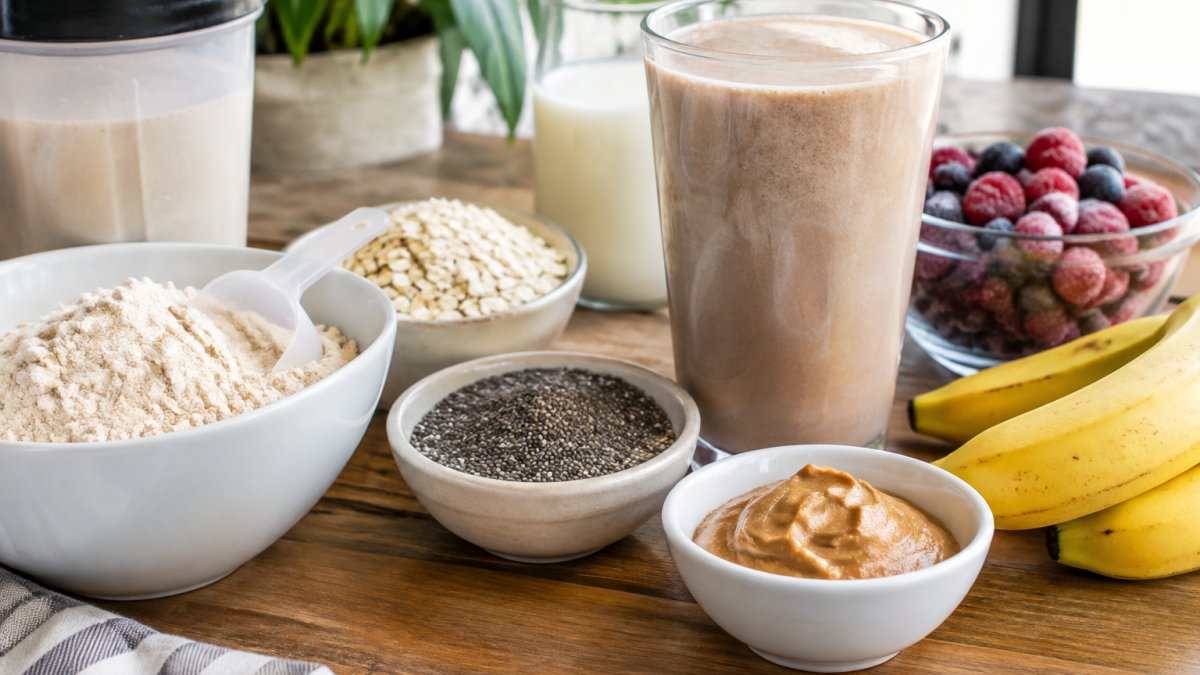
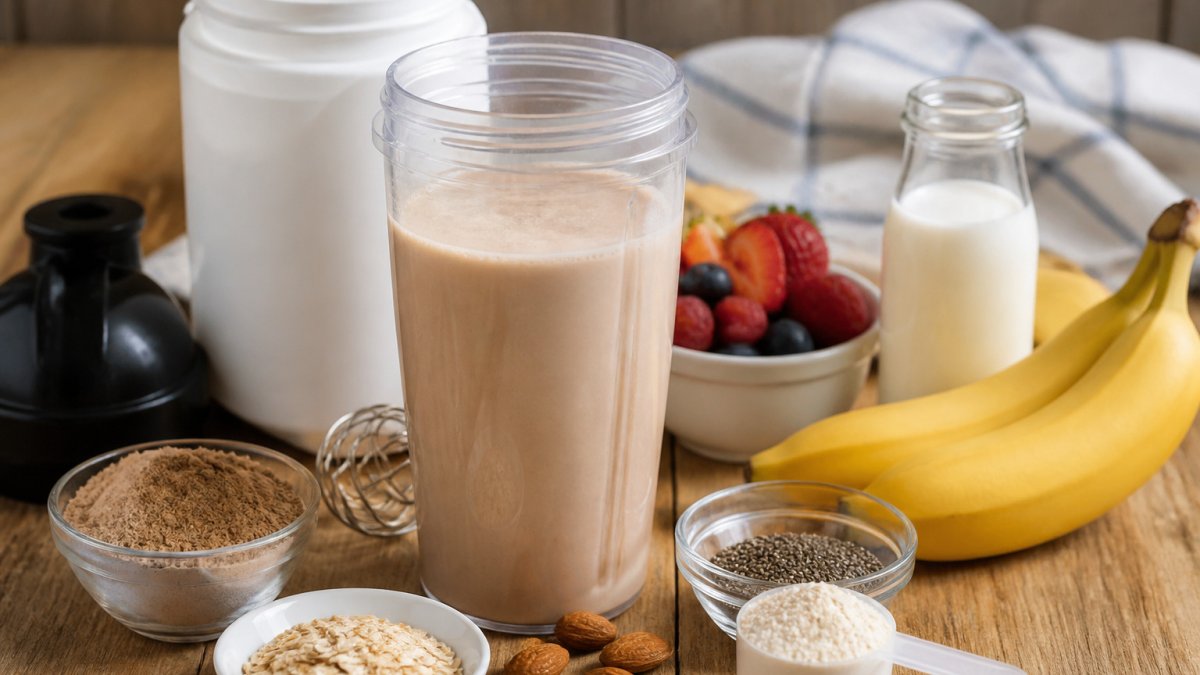
After an intense workout, your body enters a critical window where it needs the right fuel to recover effectively. A protein shake benefits for post workout recovery by delivering amino acids directly to your muscles when they're most primed to absorb them. This isn't about chasing some mythical "anabolic window", it's about supporting the actual biological process your body needs to repair and rebuild muscle tissue.
When you exercise, particularly during resistance training, you create microscopic damage in muscle fibers. Your body responds by initiating muscle protein synthesis, the process where new protein is built to repair and strengthen those fibers. Protein shakes provide the essential amino acids your muscles need during this recovery phase, making them a practical choice for anyone serious about training results.

The convenience factor matters too. After a tough workout, preparing a full meal takes time and energy you might not have. A protein shake delivers concentrated nutrition in minutes, making it easier to support your recovery consistently. At Vitality Nutrition LLC, we understand that busy professionals need recovery solutions that fit their schedule.
How Protein Supports Muscle Repair and Growth
Protein doesn't magically build muscle, your training does that. What protein does is provide the raw materials your body needs to repair the damage exercise creates and build stronger muscle tissue in response. When you consume protein after training, the amino acids enter your bloodstream and travel to your muscles, where they're incorporated into new muscle fibers.
This process, called muscle protein synthesis, is what separates a workout that builds strength from one that simply burns calories. Without adequate protein, your muscles can't adapt to the stress you've placed on them. You recover slower, feel more sore, and don't see the strength or muscle gains your training should produce.
The amino acid leucine plays a particularly important role in triggering muscle protein synthesis. When leucine reaches your muscles, it acts as a signal to activate the mechanisms that build new protein.
Your muscles also deplete glycogen during exercise, which is your body's stored carbohydrate fuel. Replenishing glycogen helps restore energy, reduce fatigue, and prepare your body for future training sessions. Many effective protein shakes include carbohydrates alongside protein for this reason, supporting both recovery and refueling in a single drink.
When to Drink a Protein Shake for Best Results
The timing question around protein shake benefits for post workout consumption doesn't require obsessive precision. The common misconception is that you must consume protein within 15 minutes or miss a critical window. In reality, your body remains in an active recovery state for several hours after training, making flexibility in timing far more practical.
A reasonable target is consuming protein within two hours after your workout finishes. This window gives you time to shower, cool down, and prepare your shake without rushing. If you trained in the morning and can't have a shake until mid-morning, that's still effective. The key is consistency, regularly supporting your recovery with adequate protein matters far more than hitting a specific minute.
What matters more than timing is whether you've eaten before training. If you had a meal or snack containing protein and carbohydrates two or three hours before your workout, your body already has amino acids circulating. In this case, post-workout protein is still valuable but less urgent than if you trained fasted.
Your training intensity also influences how soon you need post-workout nutrition. After a high-intensity resistance session, your muscles are primed to absorb nutrients more readily. After a light activity session, the urgency decreases. Neither scenario requires immediate action, but both benefit from protein intake within a few hours.
How Much Protein After a Workout Do You Actually Need
The amount of protein your body can use after a workout depends on your body weight, training intensity, and overall daily protein intake. This isn't a one-size-fits-all question, despite how often it's oversimplified in fitness content.
A practical starting point is consuming 20-40 grams of protein in your post-workout shake, depending on your size and training demands. Smaller individuals or those doing lighter training tend toward the lower end; larger individuals or those doing intense resistance work benefit from the higher end.
Your total daily protein intake matters as much as what you consume post-workout. If you're already meeting your daily protein needs through regular meals, an additional 20-30 grams in a post-workout shake provides solid support without excess.
The relationship between body weight and protein needs is important to consider. Someone weighing 150 pounds has different recovery requirements than someone weighing 200 pounds. Generally, consuming 0.7-1 gram of protein per pound of body weight across your entire day supports muscle repair and growth. Your post-workout shake is one component of this total, not the entirety of it.
Training frequency and intensity also influence your needs. If you're training hard five days a week, your total protein needs increase compared to someone training twice weekly. A higher-frequency training schedule requires more consistent protein intake to support ongoing recovery and adaptation.
Protein Shake vs Whole Food After Workout: Which Wins
This question often gets framed as if one option is objectively better, but the answer depends on your situation and preferences. Both protein shakes and whole foods support effective recovery when they provide adequate protein and carbohydrates.
A whole food meal like grilled chicken with rice and vegetables delivers protein, carbohydrates, micronutrients, and fiber. Your body processes this meal thoroughly, extracting comprehensive nutrition.
A protein shake delivers protein and carbohydrates rapidly, with minimal digestive burden. You can consume it immediately after training while your body is still warm and your appetite might be suppressed. The convenience is significant for people with busy schedules or those training early morning before work.
The practical answer for most people is both. A protein shake immediately post-workout provides convenient recovery support. A solid whole food meal an hour or two later delivers more comprehensive nutrition and satiety. This combination approach maximizes recovery benefits while respecting your schedule and digestive comfort.
What matters most is that you're actually consuming adequate protein and carbohydrates after training, not whether it comes from a shake or a plate. Consistency beats perfection. If a shake is what you'll actually consume, it's better than skipping post-workout nutrition because you wanted to wait for a "real meal."
Post-Workout Protein Foods and Shake Alternatives
Beyond traditional protein shakes, several options deliver post-workout protein effectively. Greek yogurt with granola and berries provides protein, carbohydrates, and micronutrients in a whole food format. Cottage cheese with fruit offers similar benefits with a different texture.
For those preferring plant-based options, combinations of foods work well together. Rice and beans provide complete protein when consumed together, plus carbohydrates for glycogen replenishment. Tofu with quinoa and vegetables delivers plant-based protein alongside micronutrients.
Protein balls offer another convenient option, particularly if you prefer a portable snack over a liquid shake. These can combine protein powder, oats, nut butters, and dried fruit into bite-sized nutrition. They're easy to make in batches and store well, making them practical for people with busy schedules.
The key across all these options is ensuring you're actually getting adequate protein and carbohydrates. A banana alone isn't sufficient post-workout nutrition. A small snack without protein won't support muscle recovery effectively. Effective post-workout nutrition requires both macronutrients in meaningful amounts.
Vitality Nutrition LLC offers protein shakes and protein balls designed to support your post-workout recovery needs conveniently. Whether you prefer a shake you can grab immediately after training or protein balls for a more portable option, having recovery nutrition readily available makes consistency easier to achieve.
Common Misconceptions About Post-Workout Protein
One persistent myth suggests that consuming protein immediately after training is essential or you'll lose all your gains. This misunderstanding leads people to rush through a workout, forgo proper cool-down, and stress about precise timing. In reality, your body's recovery process unfolds over hours, not minutes.
Another misconception is that more protein is always better. Some people believe consuming 100 grams of protein in a single post-workout shake is superior to 30 grams. Your muscles can only use a certain amount of protein from a single meal or shake.
A related myth involves the idea that protein shakes are necessary for any training results. While protein shakes provide convenient post-workout nutrition, people have built muscle and recovered effectively for decades without them. Whole foods work perfectly well. The advantage of shakes is convenience, not superiority.
Some believe that post-workout protein is only relevant for serious athletes. In reality, anyone training with intensity, whether that's heavy resistance work, intense cardio, or regular fitness classes, benefits from supporting their recovery with adequate protein and carbohydrates.
There's also confusion about whether carbohydrates are necessary post-workout. While protein is critical, carbohydrates play an important role in replenishing glycogen and supporting overall recovery. A shake or meal with both protein and carbohydrates supports more complete recovery than protein alone.
Conclusion
Supporting your post-workout recovery with adequate protein is one of the most straightforward ways to maximize your training results. Whether you prefer protein shakes, whole foods, or a combination of both, the key is consistency and meeting your body's actual nutritional needs.
At Vitality Nutrition LLC, we've designed protein shakes and protein balls specifically to support active people like you. Our convenient curbside pickup and TeaDash delivery within 7 miles of Bristol make it easy to have recovery nutrition ready when you need it. Explore our protein shake options.
Frequently Asked Questions
What are the main benefits of a protein shake after a workout?
Protein shakes after exercise provide amino acids that support muscle protein synthesis, the process your body uses to repair and rebuild muscle fibers damaged during training. They also help replenish glycogen stores and reduce muscle soreness. Because shakes are absorbed quickly, they deliver these nutrients when your muscles are primed to use them for recovery and adaptation.
How soon after a workout should you drink a protein shake?
Consuming protein within 1-2 hours after exercise is most effective for muscle recovery. Your muscles are most receptive to amino acids during this window. However, if you've eaten a balanced meal with protein before training, the urgency decreases. The overall amount of protein you consume throughout the day matters more than hitting a precise minute.
How much protein should you have after exercise?
Most evidence supports 20-40 grams of protein after a workout, depending on your body weight and training intensity. Heavier individuals and those doing intense resistance training benefit from the higher end. Spread protein intake throughout the day rather than loading it all into one shake, your body absorbs and uses protein more efficiently when distributed across multiple meals.
Can you get enough post-workout protein from food instead of a shake?
Yes. Whole foods like chicken, eggs, Greek yogurt, and fish provide complete protein with additional nutrients like vitamins and minerals. Shakes offer convenience and faster absorption, making them practical for busy schedules. The best choice depends on your lifestyle: shakes win for speed and portability, while whole foods offer broader nutrition and satiety.
Do you need a protein shake after every workout?
Not necessarily. If you've eaten protein-rich food within a few hours before training, your body has the amino acids it needs for recovery. Light activity also requires less protein than intense resistance training. Shakes are most valuable when you train hard, haven't eaten recently, or need a quick recovery option on a busy day.
What's the difference between whey protein and plant-based options for post-workout recovery?
Whey protein contains all nine essential amino acids and is absorbed quickly, making it effective for muscle protein synthesis. Plant-based proteins like pea or soy also support recovery but may require larger servings to match whey's amino acid profile. Choose based on dietary preferences, both can support post-workout recovery when consumed in adequate amounts.